Native vs Dove: ingredient check
Updated 2026-10-15 · Based on 2089 screened products
Short answer: in our data, 100% of Native products (42 of 42) and 82% of Dove products (67 of 82) list no watchlist ingredients, so Native has the higher share. This compares only what we screened. It is not a ranking of quality or performance, and coverage of each range may differ.
By category
| Category | Native clean / screened | Dove clean / screened |
|---|---|---|
| Baby Care | – | 2 / 2 |
| Body Lotion | 4 / 4 | 3 / 6 |
| Cleansers | 6 / 6 | 16 / 23 |
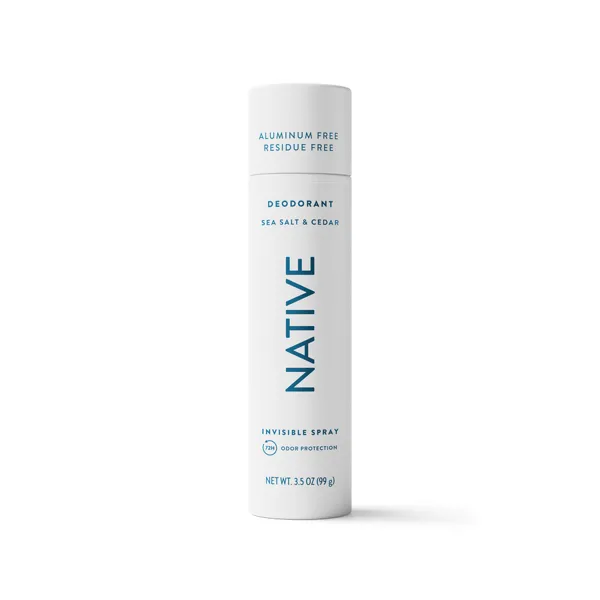
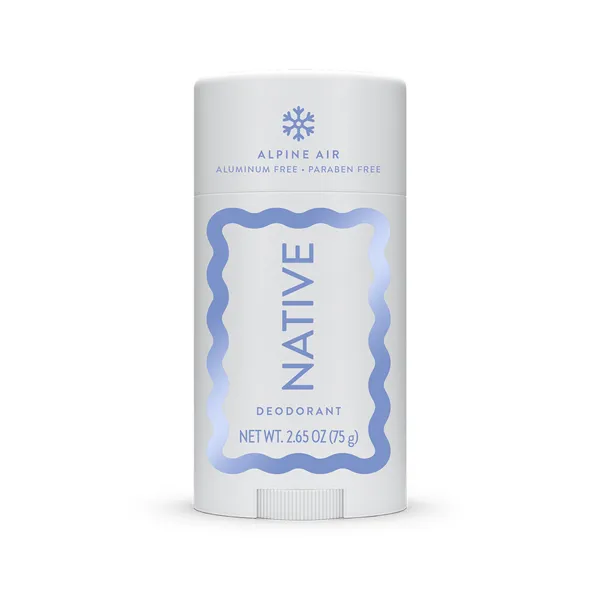
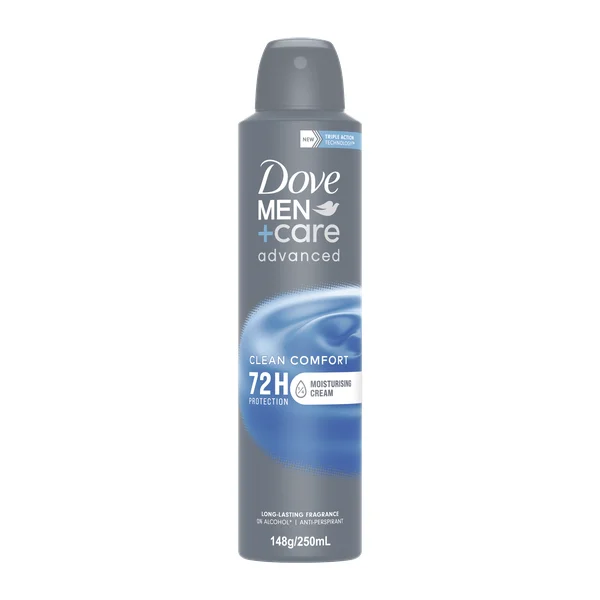
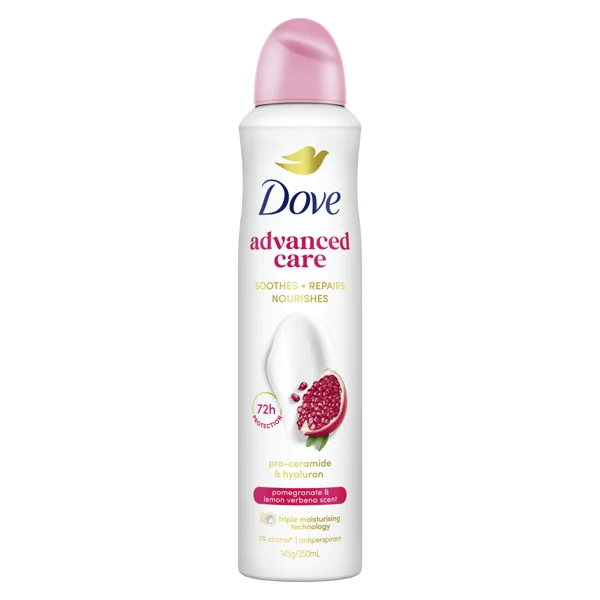
| Deodorant | 5 / 5 | 35 / 36 |
| Face Creams | 2 / 2 | 1 / 1 |
| Hair Care | 13 / 13 | 5 / 5 |
| Serums | – | 1 / 2 |
| Shampoo | 9 / 9 | 4 / 7 |
| Sunscreen (Mineral Filters) | 3 / 3 | – |
Most common flags
Native: none
Dove: Titanium dioxide (14), Parabens (3), Butylphenyl methylpropional / Lilial (3)
Clean picks where both compete
Body Lotion
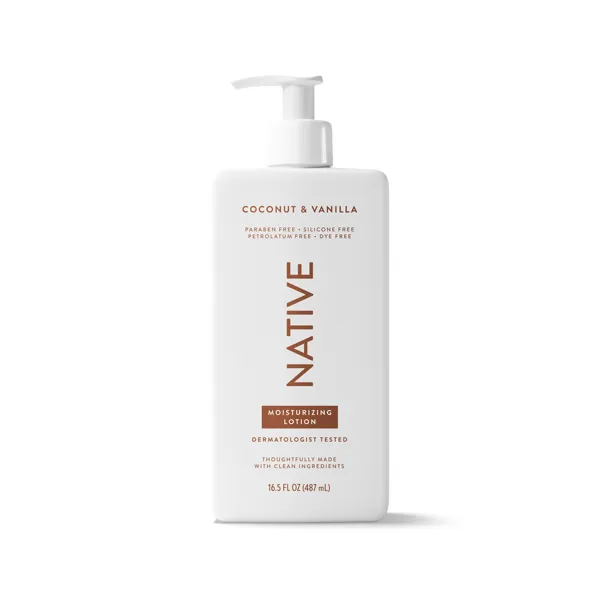
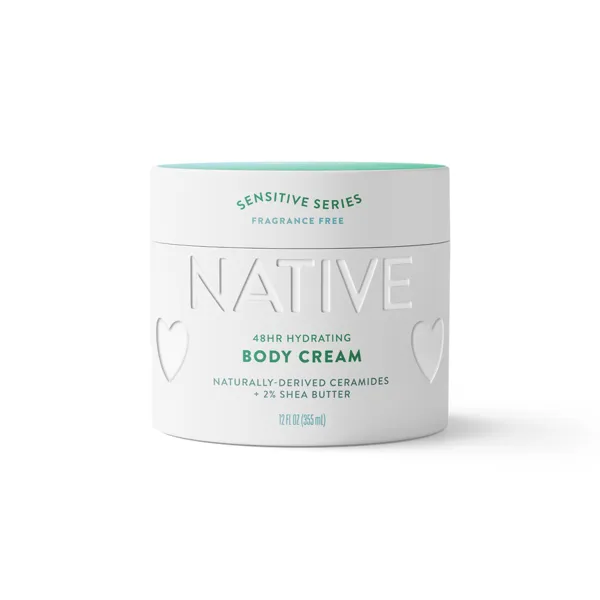
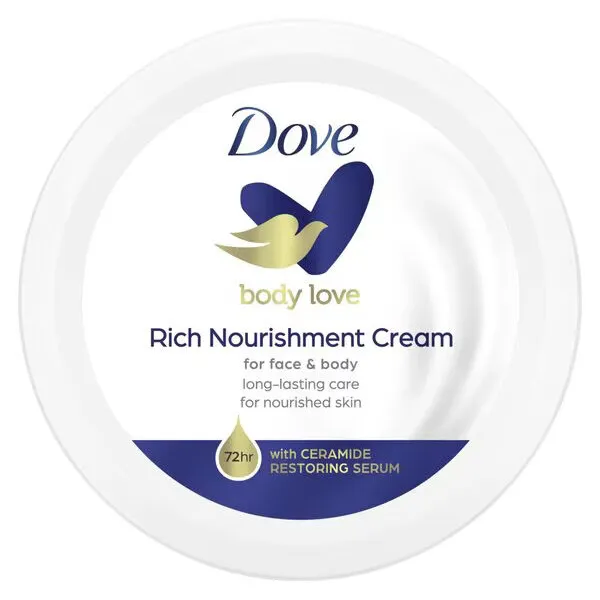
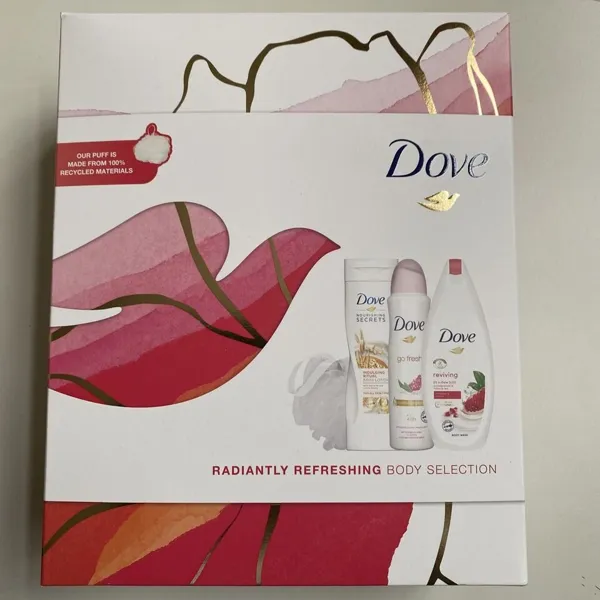
Cleansers
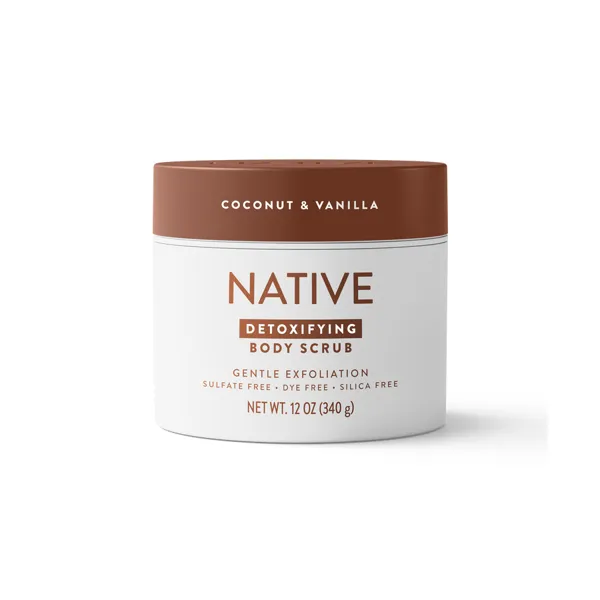
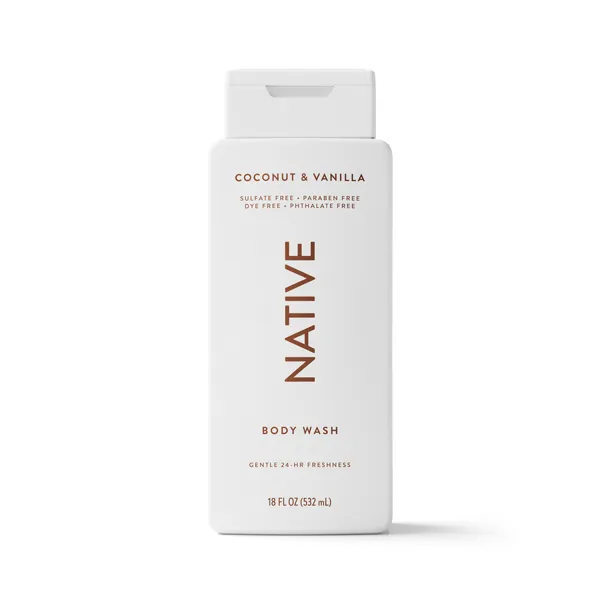
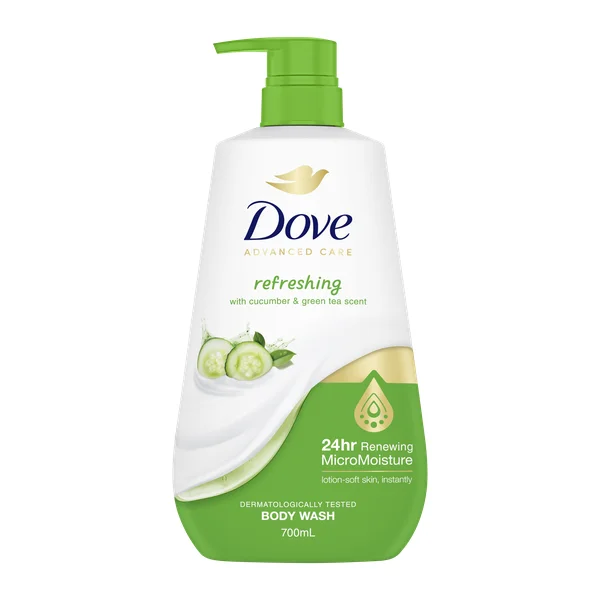
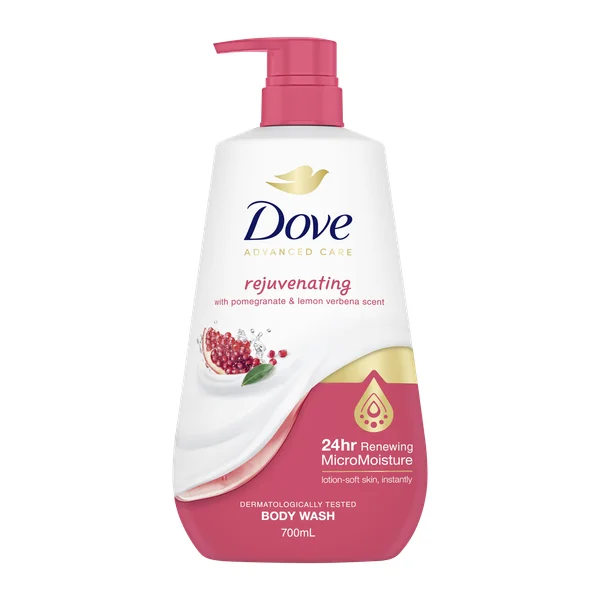
Deodorant
Affiliate disclosure: buy buttons on this page may be affiliate links (rel="sponsored"). If you buy through them we may earn a commission at no extra cost to you. Commissions never affect which products pass our ingredient screen or their order. Learn more.
Full brand pages: Is Native clean? · Is Dove clean?
Method: IARC Monographs – List of Classifications; EU Cosmetics Regulation (EC) 1223/2009; our methodology.
Hazard is not risk. An IARC classification says whether a substance can cause cancer under some conditions (e.g. titanium dioxide is classified for inhaled powder), not that a cosmetic containing it is harmful at normal use. EU restrictions set use limits. This page is informational, not medical advice; talk to a dermatologist about your own skin.